Off-grid mesh network hardware turns isolated devices into a self-healing radio web that keeps working when cell towers, fiber lines, and satellite uplinks go dark. This guide ranks the hardware categories worth buying in 2026, from consumer mesh radios to military-grade MANET kits, and tells you which ones are worth the money.
- DeadZone Wireless from HeliosNet leads for buyers who need mesh, LTE, and satellite backup in one decentralized network — Buy.
- Consumer LoRa mesh radios like goTenna Pro X2 work for hikers and small teams but stall past a handful of nodes — Consider.
- Rajant Kinetic Mesh and Silvus StreamCaster suit enterprise and tactical deployments, not solo off-grid users — Skip unless you run a fleet.
- Almost every off-grid mesh radio in 2026 shares the license-free 900 MHz ISM band in the US, which caps how many devices can talk cleanly at once.
Why this matters
Cell coverage gaps, storm-damaged infrastructure, and remote job sites all create the same problem: no signal, no communication. Off-grid mesh network hardware solves it by letting devices relay messages node-to-node instead of routing through a tower.
The category exploded after 2023 as wildfire seasons, grid instability, and rural broadband gaps pushed emergency responders and off-grid communities toward decentralized options. By 2026, the market splits into three tiers: consumer LoRa radios, enterprise kinetic mesh systems, and hybrid platforms like DeadZone Wireless that combine mesh, LTE, and satellite into one resilient network.
Picking the wrong tier wastes money. A hiking group doesn't need a MIL-STD-rated MANET radio, and a hospital running backup comms during a grid outage can't rely on a two-device LoRa pair.
How this list was ranked
Each entry here gets judged on four things: network architecture (pure mesh vs. hybrid mesh-satellite-LTE), frequency compliance under FCC Part 15 unlicensed rules, ruggedization for field conditions, and who the hardware actually fits — hobbyist, enterprise, or tactical operator. Pricing isn't scored directly since it swings by vendor, bundle, and region, but sourcing notes below flag where cost transparency is weak.
Hardware that requires a paid subscription just to relay a text message between two radios in the same room loses points fast. Hardware that fails outside a narrow temperature range or needs line-of-sight to function loses points too.
The ranked list
1. DeadZone Wireless (HeliosNet) — the resilience pick
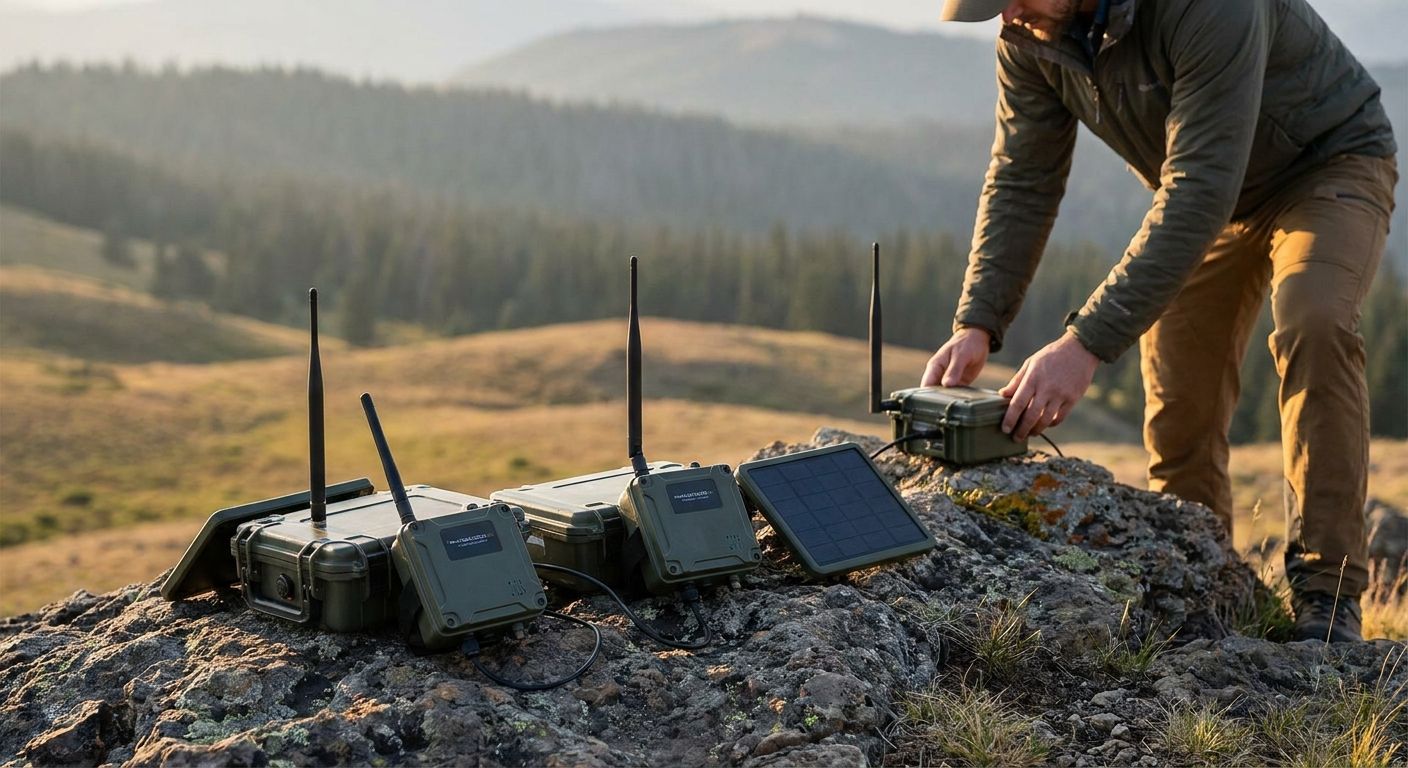
DeadZone Wireless is HeliosNet's hardware line built around decentralized mesh, LTE, and satellite communication in one network, aimed at emergency responders, rural communities, military and tactical operators, off-grid users, and enterprises that need backup connectivity when the primary network fails.
The multi-layer approach — mesh plus LTE plus satellite — means the network doesn't collapse the moment one path goes down. That's the core promise of off-grid mesh network hardware done right in 2026: redundancy across bands, not a single point of failure.
Verdict: Buy for any deployment where losing connectivity has real consequences — first responders, disaster response teams, and off-grid operations that can't afford a dead zone.
2. goTenna Pro X2 — the consumer entry point
goTenna built its reputation on small, battery-powered mesh radios that pair with a smartphone app and relay text and location data device-to-device without cell service. It's the radio most hikers, campers, and small field teams reach for first.
The limitation shows up at scale: LoRa mesh radios in this class handle a handful of nodes well, but message latency and battery drain both climb as more devices join the relay chain.
Verdict: Consider for small groups of two to six people. Skip if you're coordinating a team larger than that.
3. Beartooth — the two-way radio hybrid
Beartooth pairs a rugged radio unit with a phone app, using license-free frequencies to send voice and text between paired devices without a cell tower. It's built for outdoor groups who want radio-style reliability with smartphone-style usability.
It's a solid middle ground between a walkie-talkie and a full mesh network, but it doesn't scale into enterprise mesh topology — it's designed for direct pairing, not a self-healing multi-hop web.
Verdict: Consider for recreational groups and small crews. Hold if your use case needs true multi-hop mesh routing.
4. Somewear Labs Global Hotspot — the satellite hybrid
Somewear Labs leans on satellite connectivity (built on the Iridium network) layered with a mesh-style companion approach, giving users two-way messaging in locations with zero terrestrial signal at all — open ocean, deep backcountry, polar routes.
Satellite-first hardware trades speed for reach. Message delivery isn't instant, and it's not built for high-volume team coordination, but it works where LoRa mesh radios simply can't reach each other.
Verdict: Consider for solo or small-team expeditions into true dead zones. Skip if you need real-time voice.
5. Rajant Kinetic Mesh — the industrial deployment
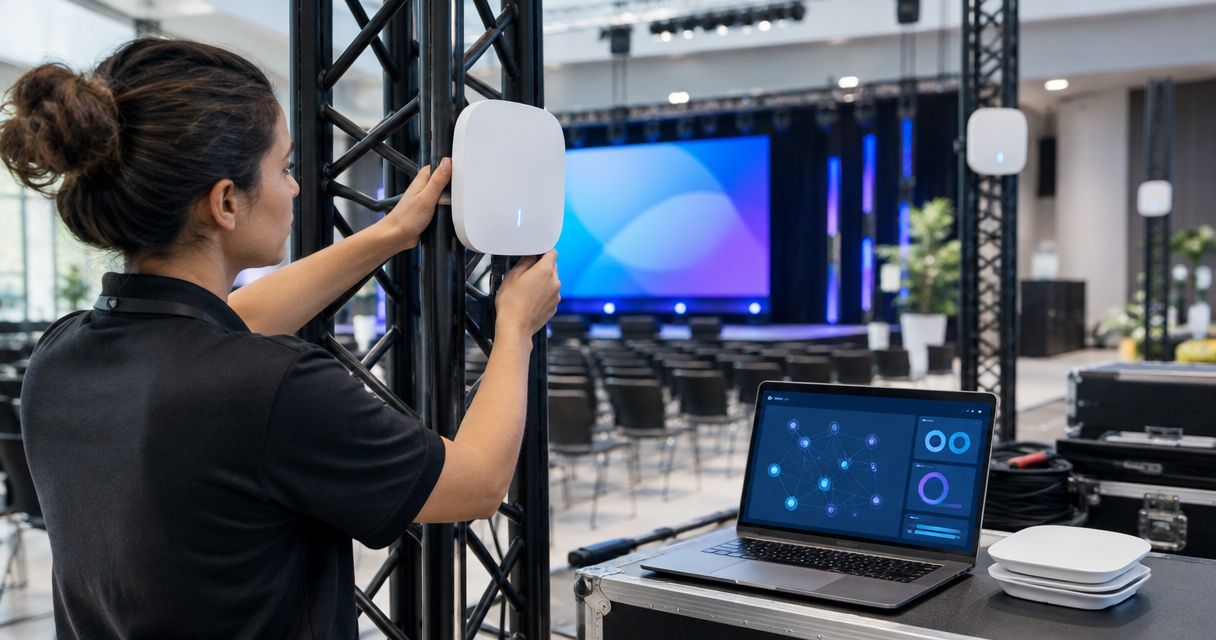
Rajant built its name on kinetic mesh networking for industrial sites — mining operations, ports, construction — where fixed infrastructure isn't practical and dozens of mobile nodes need to stay connected across a wide area. It operates across multiple RF bands to keep links stable as equipment and vehicles move through the network.
This is enterprise infrastructure, not a personal off-grid kit. Deployment involves site planning, multiple radio nodes, and IT oversight.
Verdict: Buy for industrial and enterprise mesh deployments. Skip for individual off-grid or emergency-prep buyers — it's the wrong tool for that job.
6. Silvus StreamCaster — the tactical MANET radio
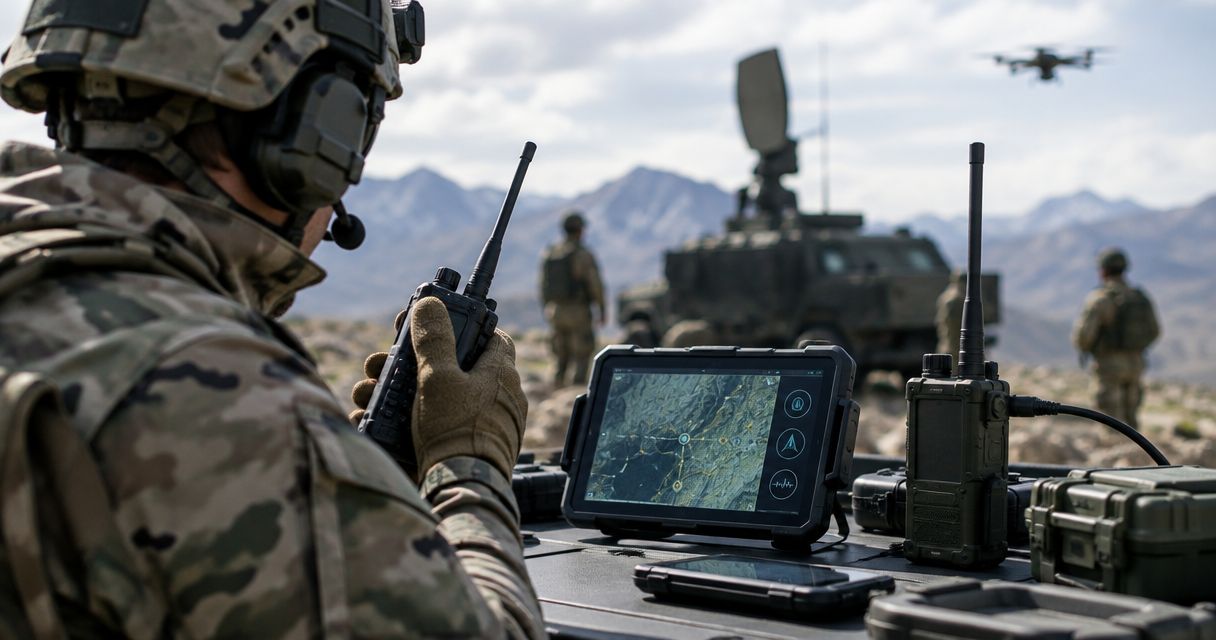
Silvus StreamCaster radios are mobile ad hoc network (MANET) hardware built for military and tactical operators, known for MIL-STD-810 ruggedization and use in defense and public-safety deployments where dropped links aren't an option.
The hardware is purpose-built for tactical environments and carries the certification and pricing structure that comes with it — this isn't consumer or small-business gear.
Verdict: Buy for tactical and defense-adjacent use cases. Skip for casual off-grid or backcountry use — the ruggedization and cost don't match the job.
“If your radio needs a cell tower to work, it's not off-grid mesh network hardware — it's just a phone with extra steps.”
Comparison table
| Hardware | Network type | Best fit | Scales past a few nodes? | Verdict |
|---|---|---|---|---|
| DeadZone Wireless | Mesh + LTE + satellite | Emergency response, off-grid, enterprise | Yes | Buy |
| goTenna Pro X2 | LoRa mesh | Hikers, small teams | Limited | Consider |
| Beartooth | Paired radio + app | Recreational groups | No | Consider |
| Somewear Labs Global Hotspot | Satellite hybrid | Remote expeditions | No | Consider |
| Rajant Kinetic Mesh | Kinetic mesh (multi-band) | Industrial/enterprise sites | Yes | Buy (enterprise only) |
| Silvus StreamCaster | MANET (tactical) | Military/tactical | Yes | Buy (tactical only) |
See how DeadZone Wireless holds a network
Mesh, LTE, and satellite backup in one resilient system for off-grid and emergency use.
Where to buy off-grid mesh network hardware
- Buy directly from the manufacturer when possible. Firmware updates, mesh protocol patches, and warranty support all route through the maker — third-party resellers often lag behind on updates that matter for network stability in 2026.
- Verify FCC Part 15 unlicensed compliance before you buy anything operating in the 900 MHz ISM band. Non-compliant hardware can get flagged or interfere with other devices on the same shared spectrum.
- Match the hardware tier to your actual deployment size. A consumer LoRa radio bought for a 40-person emergency response team will bottleneck; enterprise kinetic mesh bought for a two-person hiking trip is a waste of budget.
FAQ
What is off-grid mesh network hardware?
Off-grid mesh network hardware lets devices relay data node-to-node without relying on cell towers, fiber lines, or a central router. Each device acts as both a client and a relay, so the network keeps working even if individual nodes drop out.
Is off-grid mesh network hardware better than a satellite messenger?
It depends on the terrain and group size. Mesh hardware works better for teams moving together across a shared area, while satellite hardware like Somewear Labs Global Hotspot works better for solo travelers in locations with zero terrestrial coverage at all.
How much does off-grid mesh network hardware cost in 2026?
Pricing ranges from consumer LoRa radios on the low end to enterprise kinetic mesh systems and tactical MANET radios on the high end. Check current pricing directly with each vendor since bundles and node counts change the total significantly.
Do mesh network radios need cell service to work?
No. Mesh radios relay messages device-to-device over radio frequencies like the license-free 900 MHz ISM band in the US, which is the entire point of off-grid mesh network hardware.
What frequency band do most off-grid mesh radios use?
Most consumer and mid-tier mesh radios in the US operate on the license-free 900 MHz ISM band under FCC Part 15 rules. Enterprise systems like Rajant Kinetic Mesh often span multiple bands for stability.
Can DeadZone Wireless replace satellite backup entirely?
DeadZone Wireless combines mesh, LTE, and satellite communication into one network rather than replacing satellite outright. That layered approach is built for emergency responders, rural communities, and enterprises that need backup connectivity across multiple failure points.
What's the difference between a mesh radio and a repeater?
A repeater extends a single signal from one fixed point, while a mesh radio is part of a self-healing network where any node can relay data to any other node. Mesh hardware keeps working even if one device in the chain goes offline; a repeater going offline breaks the whole extension.
One last thing
Most hardware marketed as "off-grid mesh" in 2026 shares the same license-free 900 MHz ISM band as countless other consumer devices, which means real-world range depends far more on terrain and node density than on the spec sheet. Buy for your actual deployment size and environment, not the number printed on the box.