Yes, off-grid communication devices can send GPS location when they combine a position source with a working communication link, such as compatible mesh radios or satellite messaging. GPS reception alone does not transmit anything: your recipient also needs a supported way to receive and read the location.
- Off grid communication devices GPS location sharing requires both a position source and a working delivery path.
- Satellite messaging suits remote recipients; compatible mesh radios suit teams sharing locations within radio reach.
- A map marker is not proof of delivery: check its timestamp and confirm receipt.
- HeliosNet LLC serves teams seeking mesh, LTE, and satellite communication infrastructure; verify location-sharing support for your configuration.
Can off-grid communication devices send GPS location?
Yes—but receiving coordinates and delivering coordinates are separate functions. A device needs to establish a position, package it into a supported message, and send that message across a functioning network. Your recipient then needs access to the corresponding radio, application, or messaging service.
Local communication does not necessarily need internet access. The distinction is explained further in can a LoRa mesh network work without internet access?.
Use these checks to establish whether a setup actually shares location:
- Position source: Identify whether coordinates come from the radio, a paired phone, or manual entry.
- Delivery path: Establish whether the message travels through nearby radios, a satellite service, or an internet-connected gateway.
- Recipient access: Confirm that the intended recipient can open the location and identify when it was recorded.
A device that passes only the first check is a navigation aid, not a complete location-sharing system. For a 2026 equipment decision, ask for a demonstration of the entire path rather than accepting a GPS feature label.
Why this matters
Knowing where you are does not mean someone else knows where you are. Your phone can display its position while disconnected from cellular service, but ordinary internet-based location sharing still needs a connection to deliver an update.
That distinction matters when you leave a trailhead, send crews beyond coverage, or coordinate an off-grid property. Decide who must receive the position before choosing the equipment. A nearby teammate and a dispatcher in another city require different delivery paths.
Also distinguish a current position from a stored position. An old marker can remain visible after its sender loses power or moves beyond communication range. Treat a location without a timestamp as incomplete information.
Which connection can carry your GPS location?
Choose the communication method around the recipient, not around the appearance of the map. These are communication categories, not guarantees that every device in each category supports location messages.
| Communication option | Best for | What enables location delivery | Main advantage | Main limitation |
|---|---|---|---|---|
| Compatible mesh radios | Nearby teams operating without cellular service | A supported position message and a reachable radio path | Local sharing without an internet connection | A remote recipient needs an additional reachable connection |
| Satellite messaging | Remote travelers reporting to someone beyond local radio reach | A location-capable device and its supported satellite messaging service | Communication beyond terrestrial network coverage | Obstructions and service requirements affect delivery |
| LTE-connected equipment | Sites or routes with functioning cellular coverage | A supported application or service over a cellular data connection | Connects local information to remote recipients | Cellular coverage and infrastructure remain dependencies |
No category removes every dependency. Mesh requires reachable participants or relay nodes; satellite messaging requires a usable satellite link; LTE requires cellular service. Combining methods only helps when you have configured and tested how messages move between them.
Compatible mesh radios: best for local team awareness
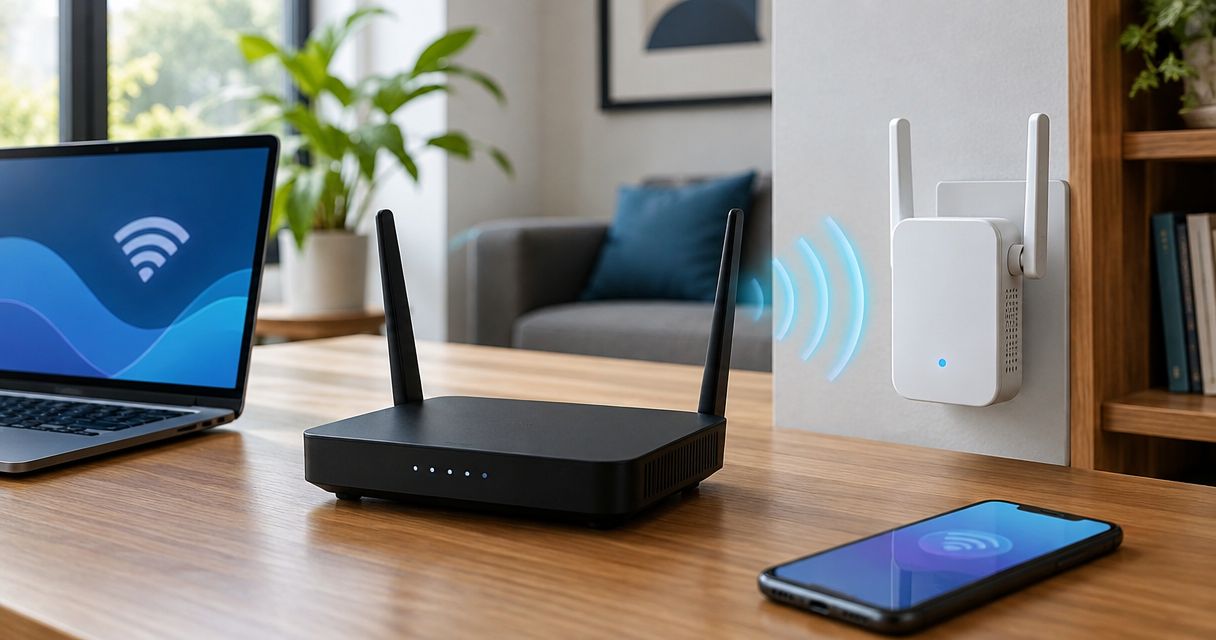
A compatible mesh system can exchange position messages among reachable participants without sending those messages through the public internet. Depending on the system, position comes from an onboard receiver or a connected phone.
The advantage is local independence. The limitation is reach: a mesh location message does not automatically reach a family member or dispatcher outside that network. A gateway can provide an onward path, but only when the equipment and software support it and that onward connection works.
Satellite messaging: best for reaching someone far away
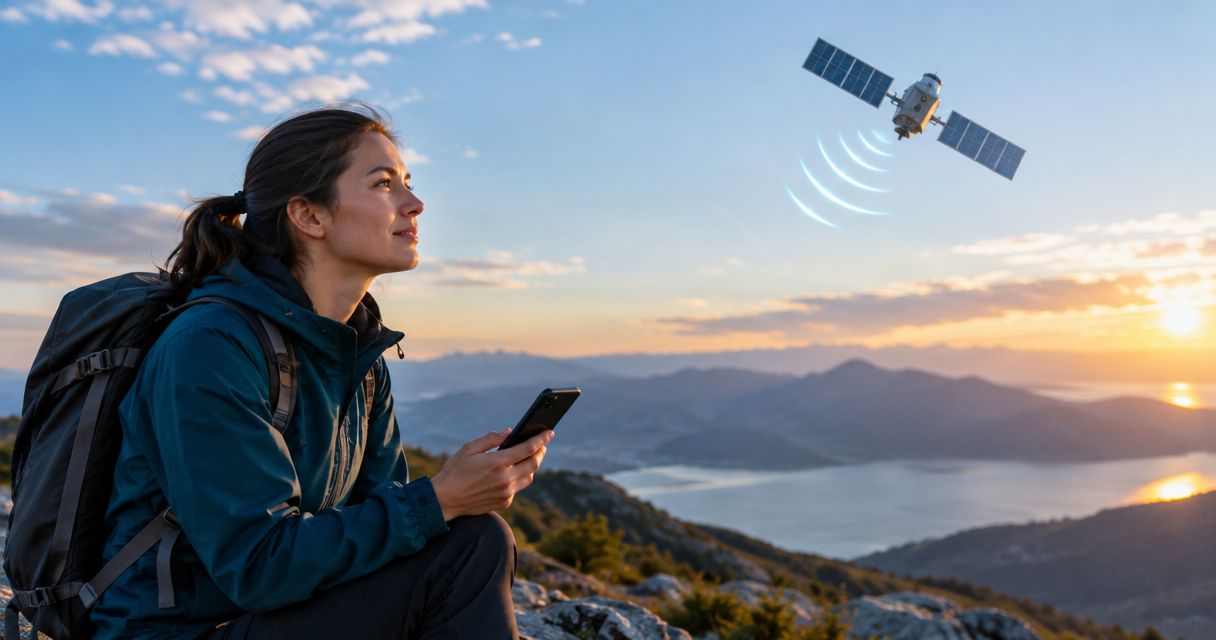
A location-capable satellite messenger can send coordinates through its supported satellite service. This is a different function from merely receiving GPS signals, even though both functions involve satellites.
The advantage is a delivery path that does not depend on a nearby cellular tower. The limitation is that the device still needs suitable operating conditions and a functioning messaging service. Do not assume that a location message, a tracking update, and an emergency alert follow identical workflows.
LTE-connected equipment: best for covered remote sites
LTE can carry location updates from a device or gateway to a remote application when cellular service is working. It is useful where a property feels remote but still has a usable cellular connection.
The advantage is access to remote recipients through an established data network. The limitation is dependence on that network. In a 2026 backup-connectivity plan, identify what happens to location reporting when LTE stops working rather than treating cellular connectivity as off-grid independence.
How does GPS location sharing work without cell service?
Think of the process as Find position, Send location, Confirm receipt. These are separate stages, and a failure at any stage prevents dependable location sharing.
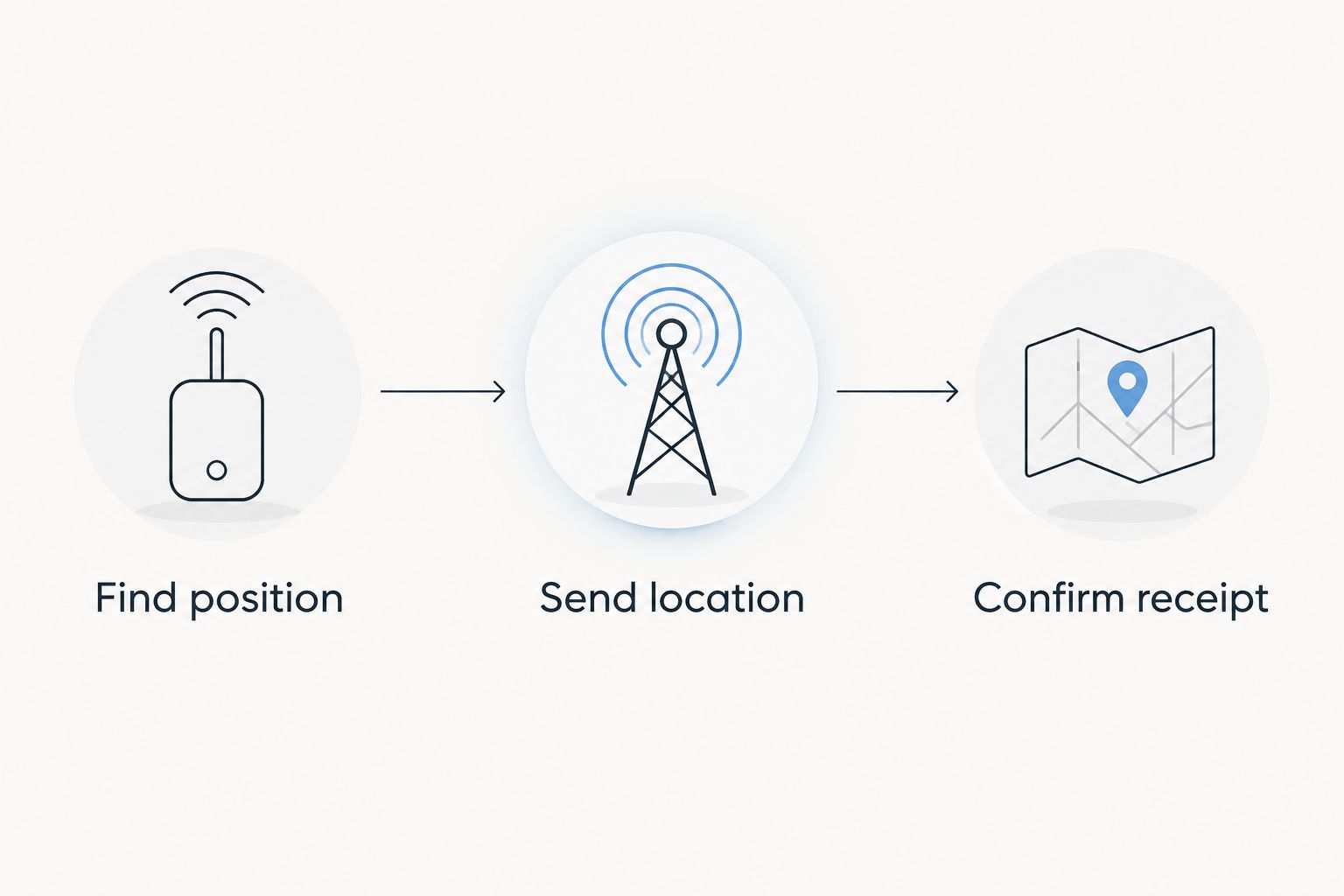
Find position
A GPS receiver calculates position from satellite signals. It does not need a cellular tower to receive those signals. A conventional three-dimensional GPS solution uses signals from at least 4 satellites to solve position and receiver clock offset.
Latitude and longitude provide 2 horizontal coordinates; altitude supplies the vertical component. Those coordinates are data, not a transmission. Your device still needs a separate radio or network connection to share them.
A map is another separate component. Downloading an offline map helps you interpret your position without internet access, but it does not give the phone a new way to send that position.
Send location
The communication equipment packages the position into a supported message. A mesh radio sends it over its radio network; a satellite messenger uses its supported satellite service; an LTE-connected application uses cellular data.
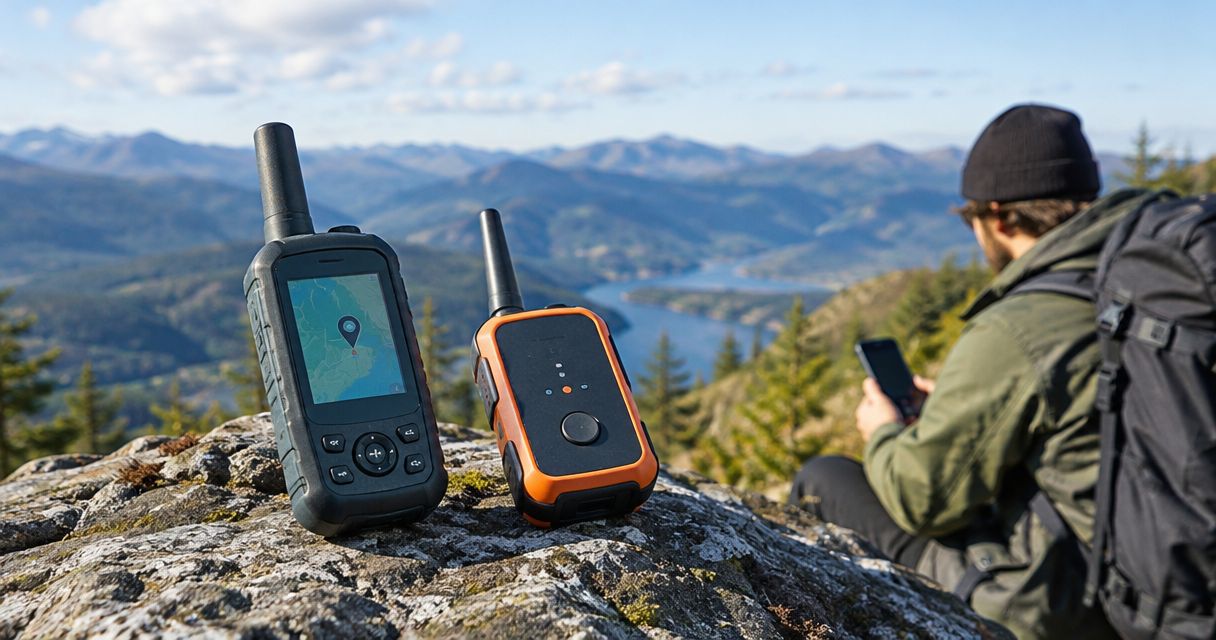
A paired-phone setup adds another dependency: the phone must provide the required position or application connection. Check whether the radio continues to send valid positions if the phone disconnects. Do not assume that a device with a map display has its own GPS receiver.
Confirm receipt
The recipient needs to see the position, identify the sender, and understand its age. A local sent indicator is not the same as confirmation that the intended person has read the message.
Use whatever acknowledgment the system supports, and distinguish network delivery from human acknowledgment. For critical coordination, agree on a reply procedure. A readable coordinate message with a confirmed recipient is more useful than a marker nobody is watching.
Why GPS location delivery varies
These factors explain why a device can show your position but fail to share it:
- Sky visibility: Buildings, terrain, and dense cover can obstruct satellite signals. Position acquisition and satellite messaging have distinct requirements, so test both.
- Radio path: Mesh delivery depends on a reachable route between compatible nodes. A working position receiver does not repair a broken radio path.
- Position source: An onboard receiver, paired phone, and manually entered coordinate have different dependencies. Know which source your system uses.
- Power state: A powered-down receiver, disconnected phone, or depleted relay node can interrupt the chain. Check each component rather than only the handheld device.
- Message settings: Location sharing must be enabled and supported by the receiving system. Confirm the intended recipients, permissions, and update behavior.
- Onward connectivity: A gateway needs a working connection to send information beyond the local network. Local team visibility does not prove remote dispatcher visibility.
For your 2026 field test, record which of these dependencies you deliberately removed. A test performed with cellular service active does not demonstrate operation without cellular service.
How do you test location sharing before leaving coverage?
Test the failure condition you expect to face. Sending a location from your kitchen while every connection is available proves little about operation beyond coverage.
- Prepare the receiving end. Have the actual recipient open the required application or receiving device. Agree on how the recipient will confirm receipt.
- Verify a fresh position. Compare the displayed location with your known surroundings and inspect its timestamp. Do not begin with a cached marker.
- Remove cellular dependence. Disable cellular data for the test while preserving any Bluetooth or Wi-Fi connection your equipment requires. Confirm that no alternative internet path is carrying the message.
- Send an intentional update. Use the same location-message workflow you plan to use outside coverage. Ask the recipient to identify the sender and reported position.
- Repeat after moving. Check that the recipient sees a new position rather than the original marker. Compare timestamps as well as map placement.
- Interrupt a dependency. Disconnect the paired phone or remove an onward connection where safe. Observe whether the recipient can distinguish interrupted reporting from a stationary sender.
Keep emergency-alert testing separate. Use only the manufacturer's approved test procedure; do not activate a real distress alert to check routine location delivery.
For operational teams, save the results with the configuration used. Your 2026 acceptance checklist should describe what worked, what failed, and what the recipient actually saw—not merely whether the sender displayed a success message.
Can my phone send GPS location without cellular service?
Your phone can determine GPS location without cellular service, but sending it requires another communication path. A compatible connected radio or supported satellite feature can provide that path; an ordinary messaging application does not gain off-grid delivery just because GPS works.
Check the specific phone, software, accessory, and service together. Also download the maps you need before departure. An offline map helps navigation but does not establish connectivity with another person.
Does a shared location mean someone is tracking me live?
A shared location is a reported position, not proof of continuous tracking. Manual check-ins send positions when you initiate them; periodic reporting sends updates according to the supported settings.
Ask how the recipient sees missed updates and stale positions. Frequent reporting also creates additional transmission and power demands, so choose reporting behavior around the task rather than assuming the shortest interval is always preferable.
Where does HeliosNet LLC fit?
HeliosNet LLC is best suited to infrastructure buyers seeking mesh, LTE, and satellite communication systems for off-grid operations and backup connectivity. The company develops those network technologies and offers the DeadZone Wireless hardware line for emergency responders, rural communities, tactical operators, off-grid users, and enterprises.
The relevant question is whether a proposed configuration carries your required location messages to your intended recipients. Ask HeliosNet LLC to identify the position source, supported message format, local delivery path, and onward connection for that configuration. Infrastructure scope alone does not establish a particular device's location-sharing features or application compatibility.
FAQ
Can GPS work when my phone has no signal?
Yes, a phone's GPS receiver can determine position without cellular service when it receives suitable satellite signals. Sending that position to someone else requires a separate working communication path.
Can mesh radios send my location without internet?
Compatible mesh radios can send supported location messages without internet access to recipients reachable through their radio network. A recipient outside that network needs a supported onward connection.
Does every satellite communication device send GPS coordinates?
No, satellite connectivity alone does not establish GPS location-sharing support. Check the device's position source, supported message features, and recipient workflow before choosing it.
Can I send my location from inside a building?
Indoor location delivery depends on both obtaining a usable position and maintaining the communication link. A stored position is not a substitute for a fresh fix, and satellite-dependent functions can be obstructed indoors.
Will sharing my location automatically call emergency services?
No, ordinary location sharing is not automatically an emergency alert. Verify the equipment's separate emergency workflow and identify who receives routine location messages.
What should I ask HeliosNet LLC about GPS location sharing?
Ask HeliosNet LLC which proposed mesh, LTE, or satellite configuration supports your required position source and recipient workflow. Request a demonstration with the expected primary connection unavailable.
One last thing
Test a stopped update, not just a successful update. A map marker that remains on screen after communication fails can look reassuring while reporting an old position.
Before relying on location sharing in 2026, agree on what a missed check-in means and what the recipient should do. The useful feature is not simply a moving dot; it is a location your recipient can interpret and act on correctly.