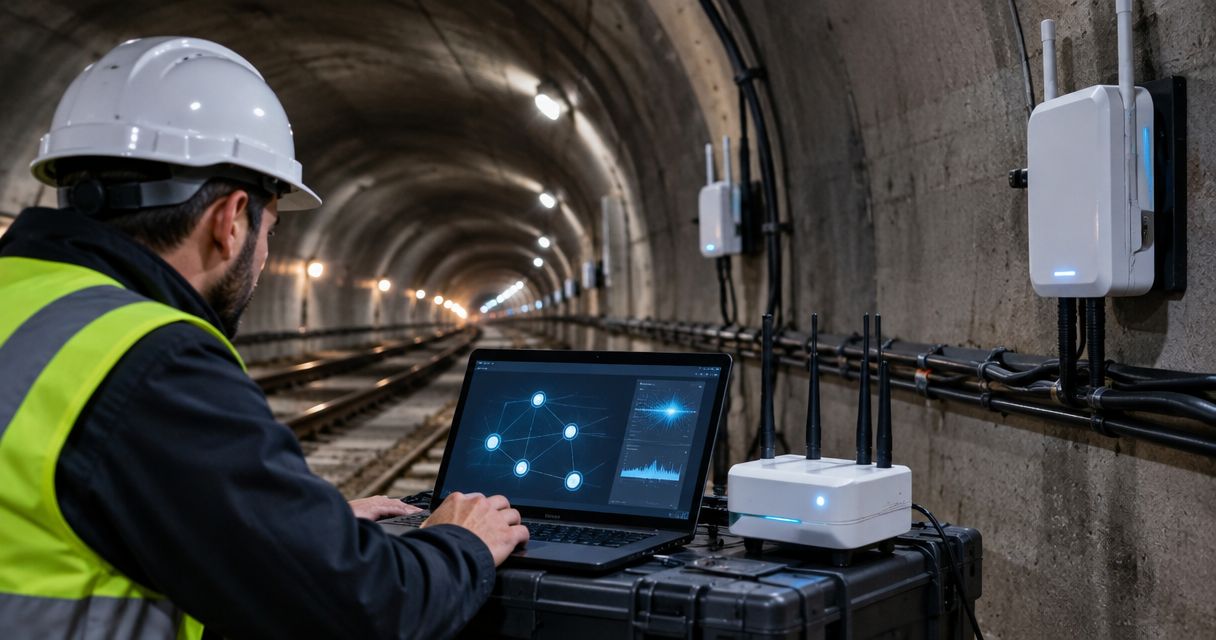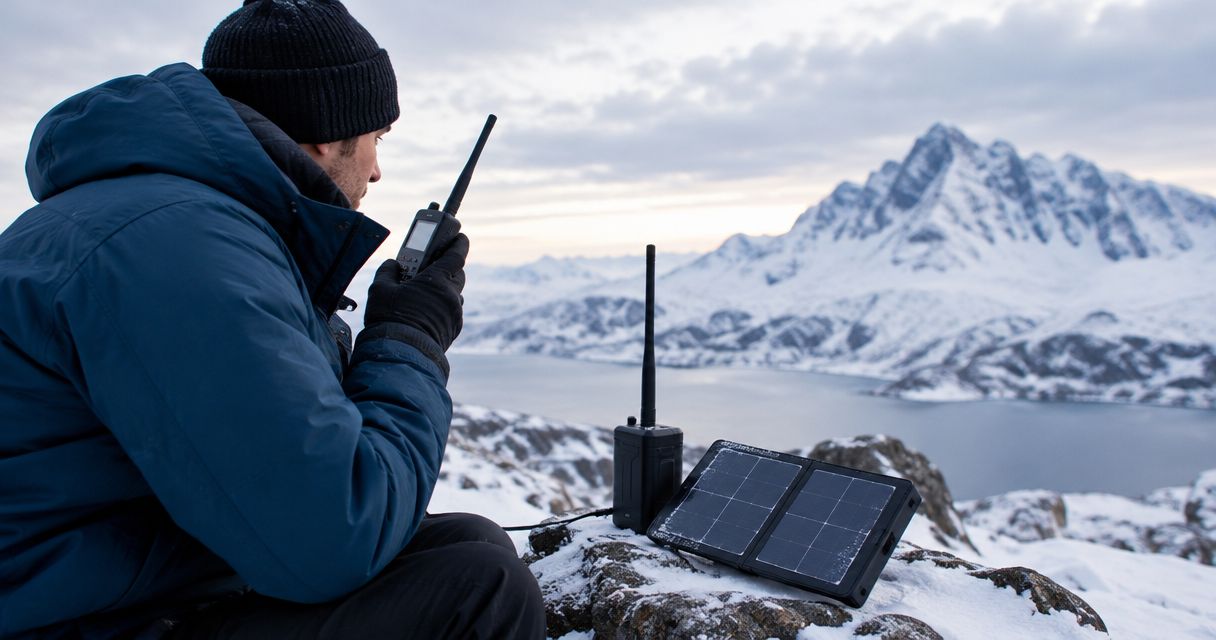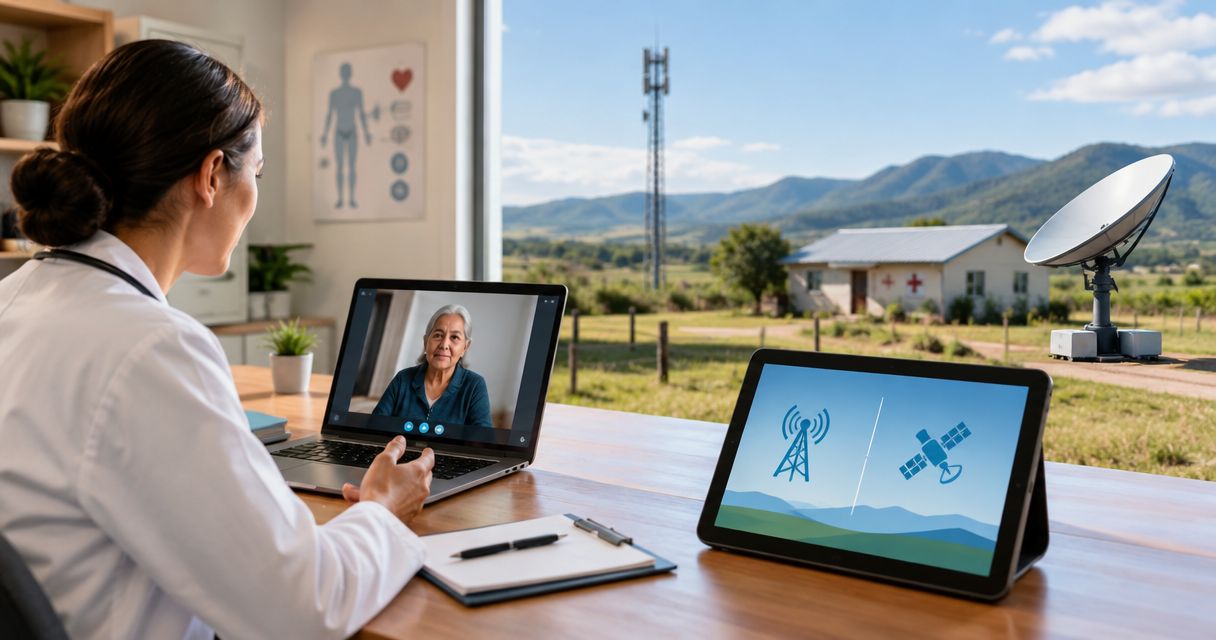
LTE is the better primary connection for a rural healthcare clinic when on-site testing confirms that it supports the clinic’s clinical applications; satellite is the better primary connection where usable terrestrial coverage is absent. For your 2026 connectivity plan, compare actual application performance and outage dependencies—not just download speeds—and use a second, independently routed connection when continuity requirements justify it.
- LTE vs satellite rural healthcare clinics: choose the primary connection using on-site clinical application tests, not coverage maps.
- Satellite avoids dependence on a nearby cellular tower but requires suitable terminal placement and power.
- LTE plus satellite provides distinct access paths; failover still needs application testing.
- HeliosNet LLC is a fit for clinics evaluating mesh, LTE, and satellite communication infrastructure.
Is LTE or satellite better for rural healthcare clinics?
Choose LTE when it works reliably at the clinic; choose satellite when terrestrial coverage cannot support the work. Neither technology wins at every rural address. Your building, surrounding terrain, service configuration, and application requirements determine the result.
HeliosNet LLC develops decentralized mesh, LTE, and satellite communication infrastructure. That scope is relevant when your decision involves both local connectivity and an external internet connection, rather than a software purchase alone.
| Connection option | Best for | Main advantage | Main limitation | Decision rule |
|---|---|---|---|---|
| LTE | Clinics with verified cellular service at the installation point | Uses a terrestrial cellular connection without a satellite terminal | Depends on usable radio coverage and the carrier’s network | Select after testing clinical applications during operating hours |
| Satellite | Clinics without adequate terrestrial coverage | Reaches the internet without a nearby cellular access tower | Requires suitable sky visibility, installation, and electrical power | Select after confirming placement and application compatibility |
| LTE plus satellite | Clinics requiring an alternate external access path | Combines different access technologies | Adds equipment, configuration, monitoring, and testing work | Select when both paths can support defined essential workflows |
A coverage map is a screening aid, not an acceptance test. A successful speed test is also insufficient: the connection must carry the applications your staff actually use.
Why this matters
A rural clinic’s connection carries more than web browsing. Your assessment should include the electronic health record, telehealth, prescription workflows, communications, and any other externally hosted systems the clinic uses.
An internet connection is useful only if the required clinical workflow works through it. A video consultation needs sustained, interactive communication; a document upload needs successful completion; a remote application needs a stable session. These are different acceptance tests.
For a 2026 connectivity review, document which tasks must continue during an outage and which can follow an approved downtime procedure. That distinction prevents you from treating every device and application as equally urgent.
LTE: best for clinics with proven cellular coverage
LTE is a strong primary-connection candidate when the installed equipment receives usable service and the carrier’s connection supports your workload. Test at the intended equipment location, not only on a phone outside the building.
Building materials, antenna placement, terrain, and network load affect the result. A carrier’s broad coverage claim does not establish performance in an interior equipment room or at an external antenna mounting point.
What LTE does well
- Terrestrial access: LTE connects through a cellular network rather than a satellite terminal.
- Installation flexibility: Suitable equipment can separate indoor networking from the outdoor antenna location.
- Alternate-path potential: LTE can serve as a backup to another access technology when routing and applications support the transition.
Where LTE falls short
LTE still depends on the cellular access network and its upstream connections. A nearby tower does not prove that the clinic has adequate signal quality, and strong signal alone does not prove that clinical applications perform acceptably.
Also check the service configuration. Carrier addressing, traffic management, and network restrictions matter when your clinic uses a VPN, remote support, or systems that expect a particular connection arrangement.
Recommendation: choose LTE only after the installed configuration passes your application tests. Do not substitute an outdoor phone demonstration for that evidence.
Satellite: best for clinics without usable terrestrial access
Satellite is the stronger candidate when the clinic cannot obtain an adequate terrestrial connection. It provides an external access route that does not require a nearby cellular tower, but the terminal still needs a suitable installation and power.
Treat satellite as a category, not a single performance profile. Satellite orbit, network design, service configuration, and terminal placement all affect the experience. A statement about one satellite service does not establish how another will perform.
What satellite does well
- Access beyond cellular coverage: Satellite can provide connectivity where a usable cellular connection is unavailable.
- Different access dependency: The clinic’s external link does not begin at a local cellular tower.
- Primary or backup use: Satellite can fill either role when the service supports the required applications.
Where satellite falls short
Trees, buildings, and other obstructions can interfere with the terminal’s required view of the sky. Weather can also affect satellite links; the effect depends on the system and conditions.
Installation is therefore part of the decision, not an afterthought. Confirm a suitable mounting position, cable route, electrical supply, equipment protection, and maintenance access before committing to a design.
Recommendation: choose satellite when terrestrial service fails the clinic’s requirements and the installed satellite connection passes them. Do not assume every satellite service is suitable for interactive clinical work.
LTE plus satellite: best for clinics requiring alternate access
Combining LTE and satellite gives you different external access technologies. It does not, by itself, create automatic continuity for patient-facing work.
Both connections can still depend on the same router, switch, wireless access point, or electrical supply inside the clinic. If that shared component fails, neither external link solves the problem.
A failover design must also account for changing network addresses and interrupted sessions. Your router can move traffic to another connection while a telehealth call, VPN, or authenticated application still requires reconnection.
Recommendation: select LTE plus satellite when you can define, configure, and test what continues after a connection failure. Include staff recovery actions in the plan rather than promising an uninterrupted experience you have not demonstrated.
HeliosNet LLC offers the DeadZone Wireless hardware line alongside its mesh, LTE, and satellite infrastructure work. For a clinic evaluation, the relevant next step is to establish application compatibility, installation requirements, and failover behavior; the product name alone does not establish healthcare suitability or regulatory compliance.
Why LTE and satellite performance varies
The useful comparison is between installed connections at your clinic, not technology labels. These factors explain why another organization’s result does not settle your decision:
- Radio conditions: LTE depends on the cellular signal available at the antenna location, including signal quality and interference.
- Sky visibility: Satellite performance depends on meeting the selected terminal’s visibility and placement requirements.
- Shared capacity: Network congestion can change performance even when the local equipment remains unchanged.
- Application behavior: Interactive video, cloud sessions, uploads, and VPNs respond differently to connection problems.
- Network configuration: Addressing, firewall rules, traffic prioritization, and failover settings affect application access.
- Power and equipment: A working external connection cannot compensate for an unpowered router or failed local network component.
In 2026, use these factors as a site-assessment checklist. Avoid turning a single successful test into a claim about every hour, installation location, or outage condition.
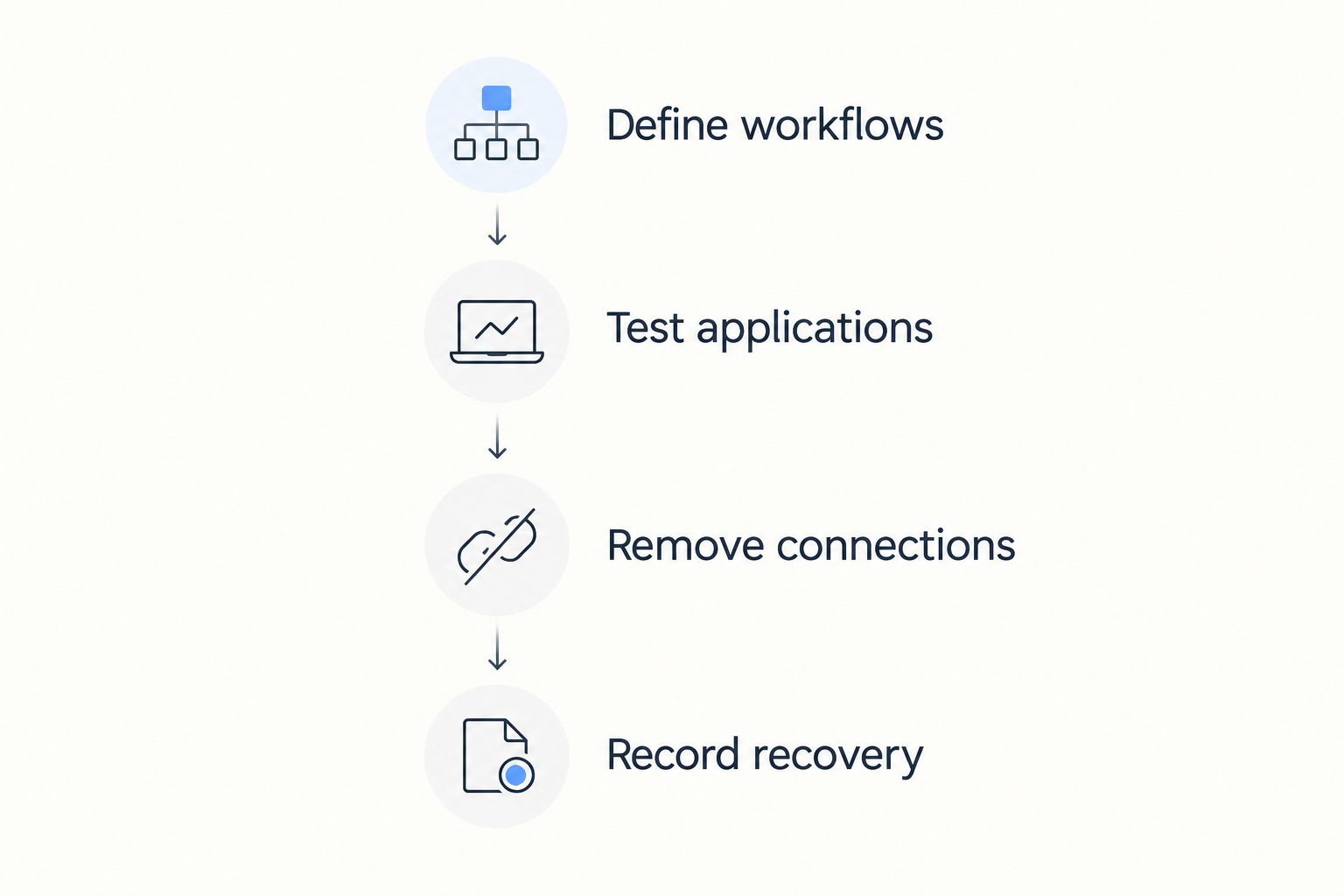
How should you test LTE against satellite at your clinic?
Compare both connections against the same workflows. Write the acceptance conditions before testing so that a high download result does not distract from a failed clinical task.
1. Define workflows
List the applications staff need during normal operations and during an outage. Ask the relevant application providers for their current network requirements, including any restrictions involving VPNs, addressing, or supported connection types.
Name the outcome you need: completing a consultation, opening the required record, submitting a transaction, or reaching an approved communication service. Keep patient information out of informal test materials.
2. Test applications
Use the intended installation and representative operating conditions. Record whether each workflow completes, whether audio and video remain usable, and whether users must reconnect.
Repeat the assessment during clinic operating hours rather than relying on an isolated test outside normal activity. Include simultaneous workflows that reflect the clinic’s expected use.
3. Remove connections
Disconnect the primary external connection deliberately under a controlled test plan. Observe whether the router changes paths, which applications recover, and what staff must do next.
Distinguish loss of internet access from loss of local power. They are separate failure conditions and need separate responses.
4. Record recovery
Write down what happened, which workflows remained available, and which required intervention. Assign responsibility for changing settings, contacting service providers, and maintaining the test record.
Your 2026 acceptance record should describe the installed system, not merely state that LTE or satellite passed. Changes to the router, antenna, terminal location, or application configuration can justify retesting.
Use the LTE and satellite connectivity guide for rural healthcare clinics to frame the broader infrastructure assessment. Keep the final acceptance criteria specific to your applications and site.
Is LTE or satellite better for telehealth appointments?
LTE is the better telehealth choice when it delivers the more stable tested session at your clinic; satellite wins when it does. The technology label cannot replace a trial using your telehealth platform, intended room, local network, and normal workload.
Assess both sides of the conversation. A connection that displays incoming video successfully can still perform poorly when sending the clinician’s audio and video.
Does a backup connection keep the electronic health record working?
A backup connection keeps the electronic health record reachable only when the alternate path, local network, and application all support the transition. Staff might need to reopen a session or reconnect a VPN after failover.
Test record access and the specific permitted transactions your clinic needs. Keep an approved downtime procedure for cases in which connectivity or the application itself remains unavailable.
Does mesh replace LTE or satellite for a rural clinic?
Mesh does not replace an internet uplink when the clinic needs externally hosted applications. A mesh network can connect local nodes, but access to a remote service still requires a working route beyond that local network.
Assess local coverage and external access separately. Otherwise, a design that improves connectivity between buildings can leave the clinic’s internet failure point unchanged.
What should your clinic verify before approving a design?
Ask for written answers tied to the proposed installation. A general statement that a connection supports healthcare is not a substitute for these checks:
- Which clinical applications were tested, and under what conditions?
- What happens when the primary connection fails and returns?
- Which components and power sources do both connections share?
- Who monitors connection health and responds to failures?
- What security controls and agreements apply to each service involved?
- Which staff procedures apply when both connections are unavailable?
Encryption, access controls, network separation, and vendor responsibilities need their own review. Neither LTE nor satellite makes a clinic HIPAA-compliant by itself. Compliance depends on how the clinic and its service providers handle protected information, not simply how packets reach the internet.
Before approving a 2026 design, have the responsible clinical, IT, and privacy stakeholders review the same workflow and outage record. A technical sign-off should not conceal an operational gap.
FAQ
What's better for a rural healthcare clinic, LTE or satellite?
LTE is better where the installed connection reliably supports clinical applications; satellite is better where adequate terrestrial access is unavailable. Test both at the clinic before choosing a primary connection.
Can satellite internet support rural telehealth appointments?
Satellite internet can support telehealth when the selected service and installation meet the platform’s requirements. Test bidirectional audio and video under representative clinic conditions.
Is a strong LTE signal enough for electronic health record access?
A strong LTE signal is not enough to establish reliable electronic health record access. The carrier network, local configuration, VPN, and application must also work together.
Will an appointment continue automatically when LTE fails over to satellite?
An appointment is not guaranteed to continue automatically during failover. A change of connection can interrupt the application session even when the router successfully restores internet access.
Does satellite internet work during a power outage at the clinic?
Satellite internet still requires power for the terminal and the clinic’s networking equipment. Backup power must cover the equipment needed for the intended workflow.
Is LTE or satellite automatically HIPAA-compliant?
Neither LTE nor satellite automatically makes a clinic HIPAA-compliant. Review the full system’s security controls, information handling, and applicable vendor agreements.
Can a mesh network replace the clinic’s internet connection?
A mesh network does not replace an external internet connection for cloud-hosted clinical applications. It provides local connectivity, while LTE, satellite, or another uplink provides the route outside that network.
One last thing
The backup connection can be working while the clinical workflow is still broken. Make staff demonstrate recovery from an interrupted consultation or application session, not just confirm that a router reports an active link.
For a discussion with HeliosNet LLC about rural connectivity infrastructure, bring the workflow list, site constraints, and test results. Those documents make the decision concrete: which connection carries normal work, which carries essential work during failure, and what staff do when neither succeeds.